 ENG
ENG
 INA
INA
Strengthening Transboundary, Science-Based Marine Conservation: FKP Unud Highlights Sea Turtle Genetic Research and Coastal Self-Reliance at the LSS Science Hub 2026 Seminar
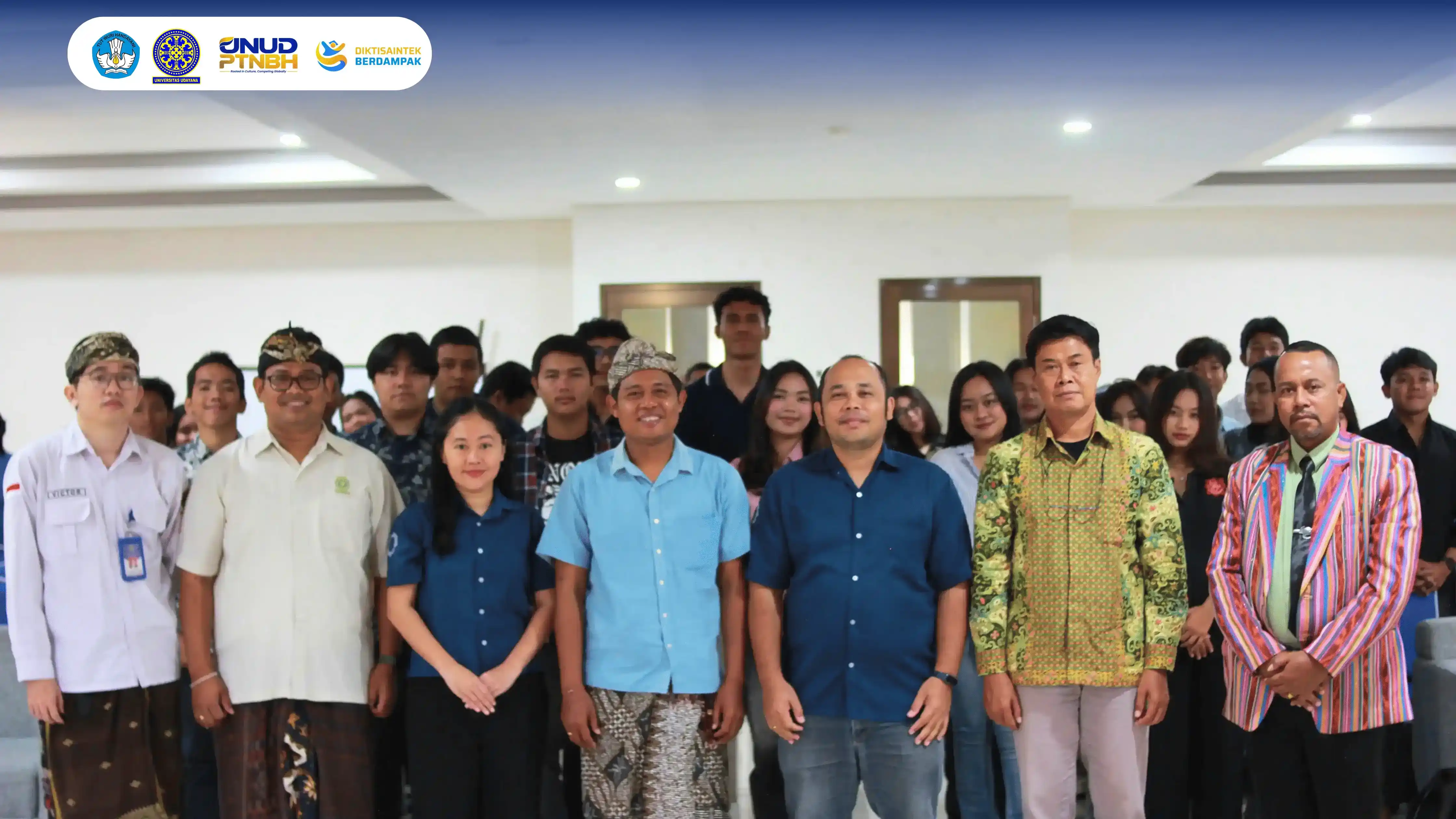
International Seminar LSS Science Hub - FKP UNUD 2026
GLOBAL PARTNERSHIP | Faculty of Marine and Fisheries UNUD
INTERNATIONAL SEMINAR LSS SCIENCE HUB 2026Cross-Border Marine Science and Conservation Synergy in the Lesser Sunda Seascape
- Date: Thursday, September 24, 2026
- Location: Jimbaran, Bali
The Faculty of Marine and Fisheries (FKP) of Udayana University reaffirms its commitment to strengthening cross-border marine science and conservation networks through the implementation of the International Seminar Lesser Sunda Seascape (LSS) Science Hub – University Partnership 2026.
This international seminar presented four experts and conservation practitioners who exposed the results of genetic molecular research on olive ridley turtles (Lepidochelys olivacea), cross-border marine protected area management, and real actions of coastal community-based conservation in the Lesser Sunda Seascape.
Scientific & Conservation Session PresentationsA series of presentations from international academics to field practitioners focusing on ecosystems and biodiversity.
- Genetic Connectivity of LSS Olive Ridley Turtles and Strengthening Academic Capacity
The scientific session was initiated by Giri (LSS Science Hub – Somacore Project / BIONESIA) who presented a research entitled “Unraveling genetic connectivity of Olive Ridley turtle (Lepidochelys olivacea) in the Lesser Sunda Seascape: Strengthening science-based conservation through capacity building”.
This research mapped the genetic structure of olive ridley turtles in various main nesting locations in the LSS region, including Bali (Saba Beach, Nusa Penida, Klotok), Solor (East Flores), to Timor Leste (Com, Kasait, Ulmera). The low genetic distance between populations indicates the occurrence of genetic mixing (genetic mixing) of olive ridley turtles throughout the Lesser Sunda Seascape. Besides scientific findings, this program facilitated molecular genetics training for UNITAL lecturers at the BIONESIA Bali Laboratory, student internships at KPP Saba Asri, and student final project research.
- Strategic Role of University Partnerships and "Tara Bandu" Local Wisdom in Timor-Leste
The second speaker, Mateus Salvador (Lecturer of the Fisheries Department, UNITAL, Timor-Leste), presented material entitled “Academic Context and Importance of Research in the Coastal & Marine Areas”. He emphasized that coastal and marine area research is very crucial not only for understanding ecosystems and climate change mitigation, but also for supporting food security, the blue economy (blue economy), and the welfare of coastal communities.
In his presentation, Salvador outlined the establishment of the LSS Science Hub – University Partnership based on an MoA with 11 universities in Indonesia and Timor-Leste under the auspices of CTI-CFF and the support of the SOMACORE program (IKI/GIZ) to transform research results into public policy. This presentation also reviewed Marine Protected Areas (MPAs) in Timor-Leste, including the Atauro Island MPA which is a coral reef biodiversity hotspot with more than 250 fish species and 22 marine mammal species, as well as the Liquiçá, Batugade MPAs, and Nino Konis Santana National Park. Furthermore, research on GIFT (Genetically Improved Farmed Tilapia) cultivation was also presented as a sustainable aquaculture solution to increase community protein consumption.
- Standardization of Genetic Analysis for Law Enforcement of Illegal Trade
The third session was presented by the Indonesian Biodiversity Team (BIONESIA) Bali with the topic “Sample Collection and Genetic Analysis of Turtles and Their Derivative Products in the Lesser Sunda Seascape”. This material highlighted the standard methodology for collecting biological samples and the importance of molecular DNA technology in identifying turtle species down to the level of their derivative products. The application of this genetic technology has become a vital instrument for tracking the origin of populations and supporting law enforcement against the illicit trade of turtles and illegal products at the regional level.
- Real Community-Based Conservation Action: KPP Saba Asri Gianyar
Representing field practitioners, the Turtle Conservation Group (KPP) Saba Asri of Saba Beach, Gianyar, presented the material “Profile and Conservation Activities of the Turtle Conservation Group (KPP) Saba Asri”. Established in 2015 independently by the fishing community and the Saba Traditional Village, KPP Saba Asri consistently secures 15 km of coastline from the threats of abrasion, wild predation, and egg hunting.
The main activities of KPP Saba Asri include night patrols during the nesting season (March–August), relocating eggs to controlled hatcheries with a hatching success rate reaching ~80%, nest monitoring, and releasing hatchlings with tourists, students, and the community.
FKP Unud's Commitment in Science and Community Conservation Synergy
Through the implementation of this LSS Science Hub international seminar, the Faculty of Marine and Fisheries (FKP) of Udayana University reaffirms its role as a center of marine scientific excellence connecting international-standard academic research with real conservation actions in the community. The synergy between FKP Unud, UNITAL Timor-Leste, BIONESIA, and KPP Saba Asri serves as an ideal collaboration model in maintaining the sustainability of biodiversity in the Lesser Sunda Seascape.
Documentation GalleryPrecious moments from the implementation of the LSS Science Hub International Seminar 2026.
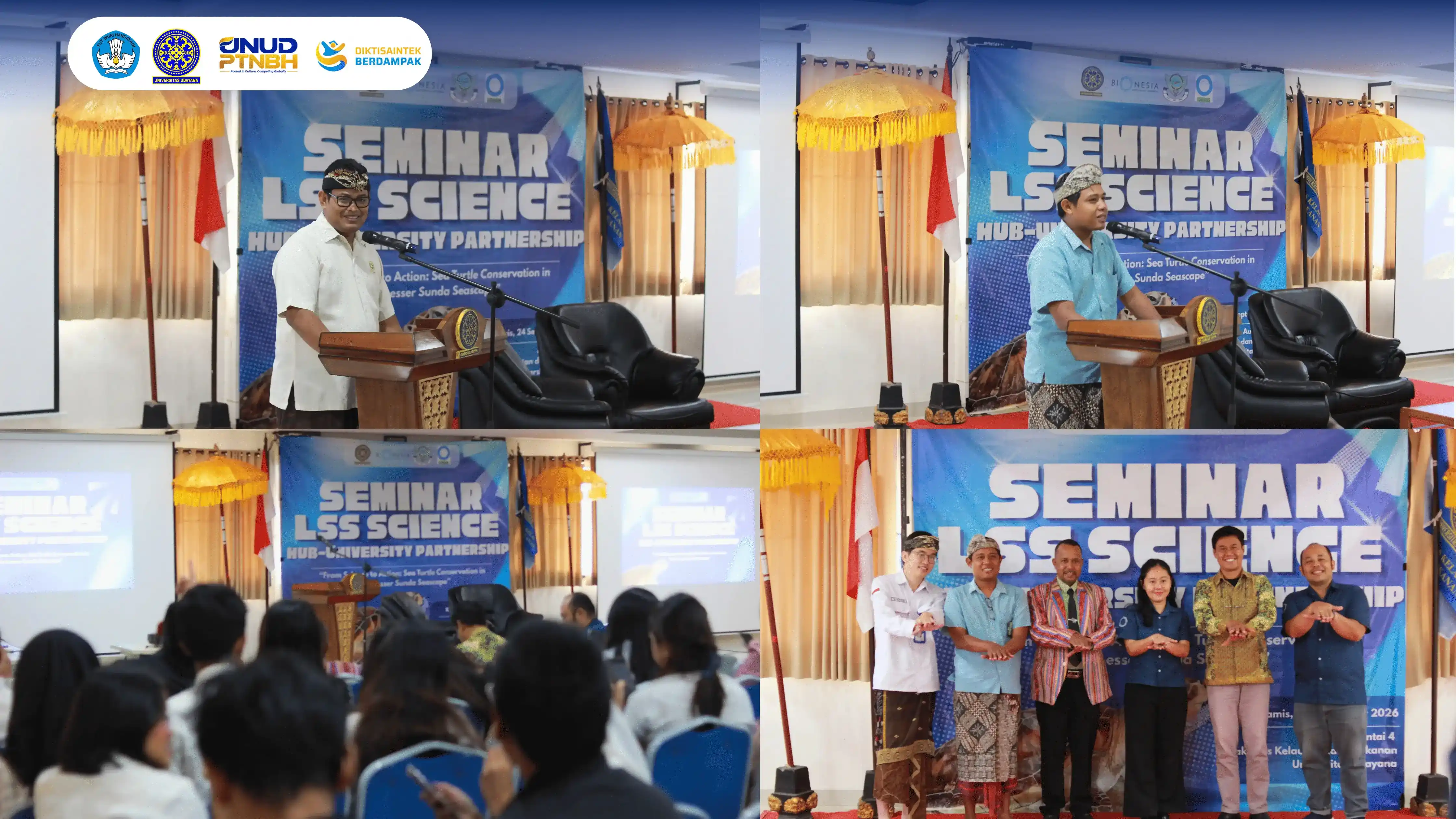 Atmosphere of the LSS Science Hub International Seminar
 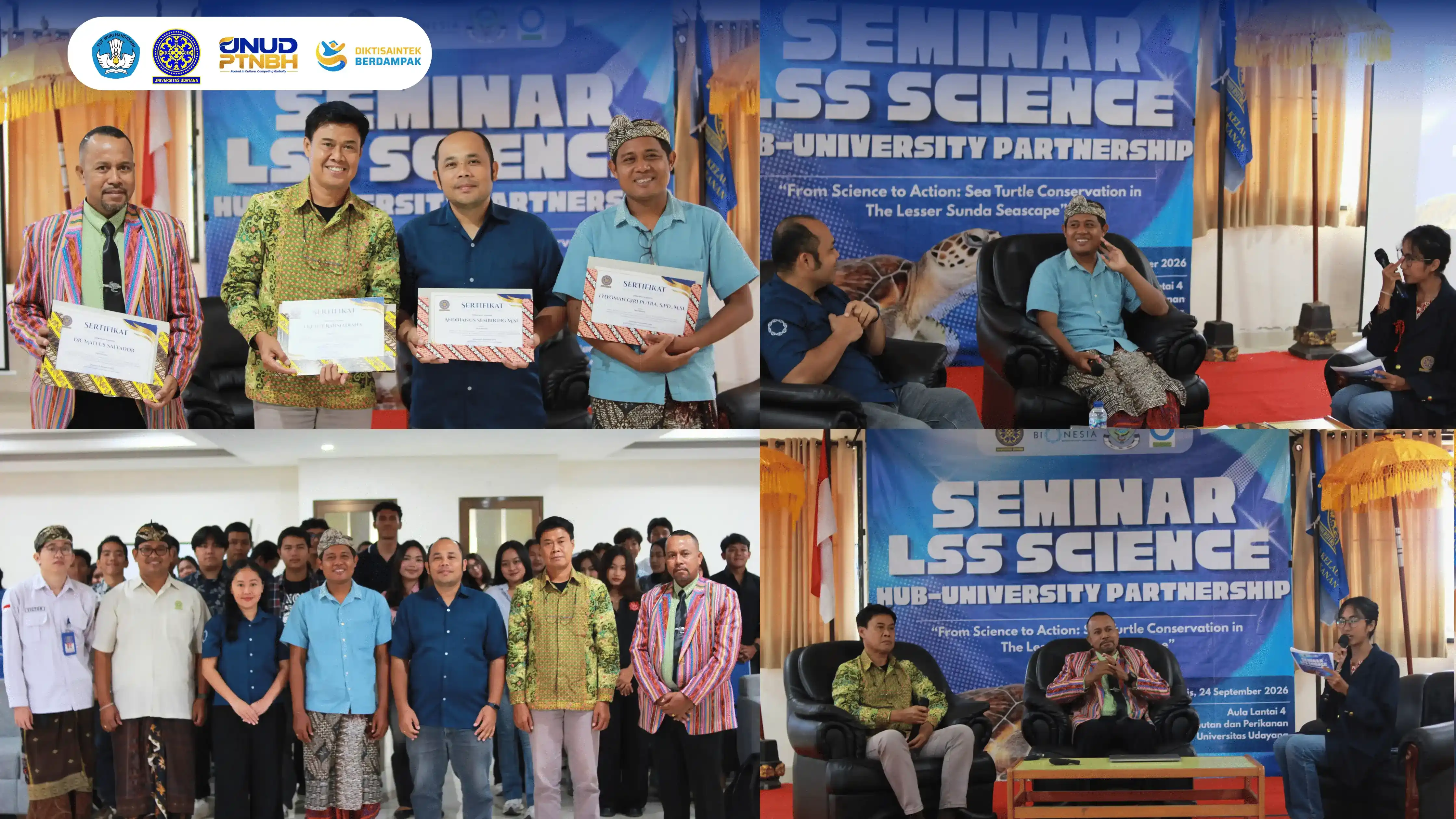 Marine Research and Conservation Presentation
 (4).png)
 (3).webp)
UDAYANA UNIVERSITY