 ENG
ENG
 INA
INA
Thorough Investigation into Benoa Bay Mangrove Deaths: FKP Lecturer Ni Made Ernawati Testifies as Expert Witness
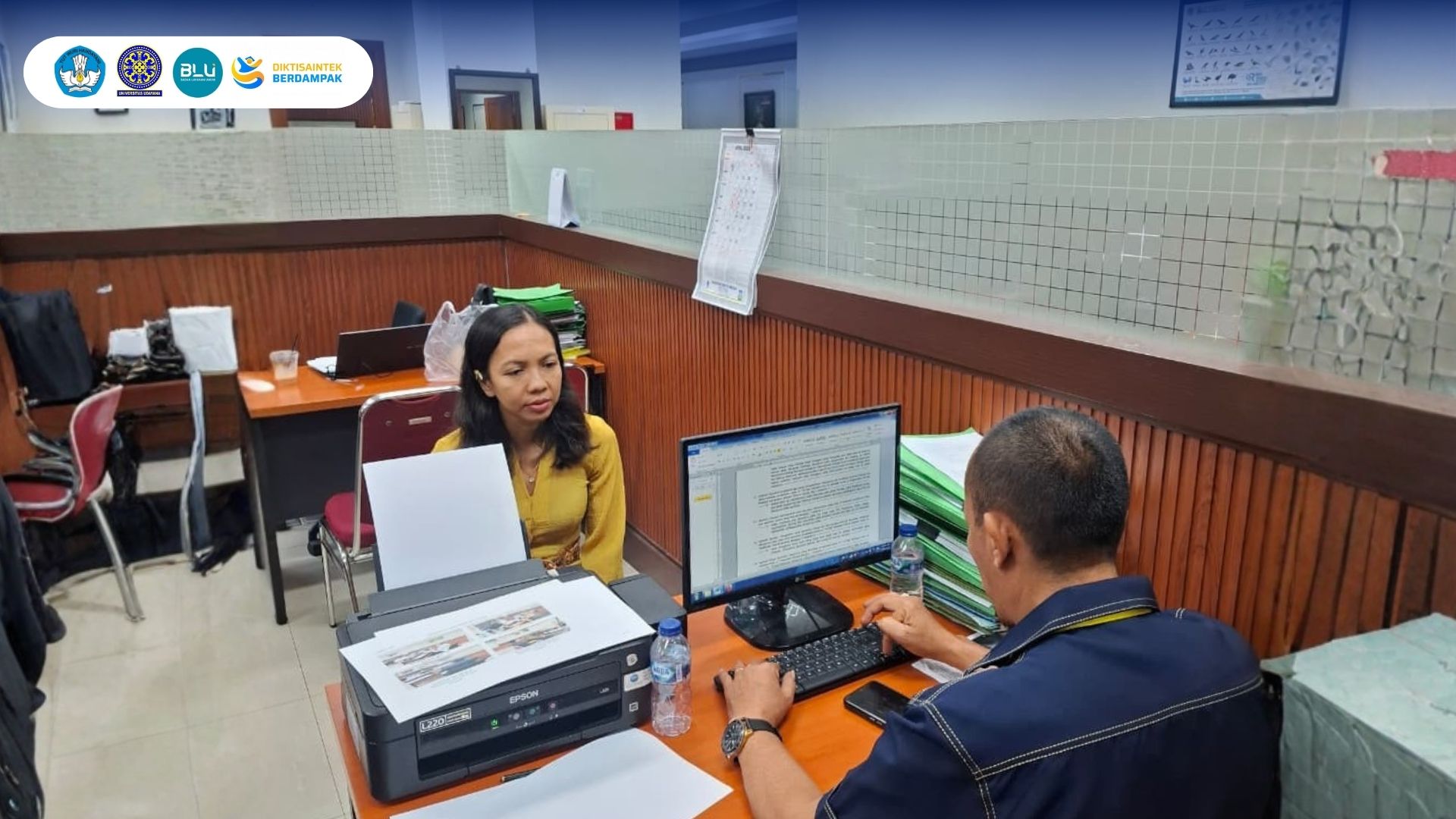
BADUNG, BALI — The case of coastal ecosystem damage that has killed mangroves in Benoa Bay is being carefully investigated. To find out exactly what caused this, investigators have asked academics and mangrove experts for input. A lecturer from the Faculty of Marine Science and Fisheries (FKP) at Udayana University, Ni Made Ernawati, S.Kel., M.Si., officially presented her scientific opinion as an expert witness on Thursday (April 16, 2026).
Ni Made Ernawati's part in the investigation makes sense. Her experience, dedication, and knowledge from working directly with coast and mangrove areas make her input important. She was asked to explain the environmental features of Benoa Bay, assess its capacity to support life, and examine the strange changes that killed the coastal plants.
Bringing in academics to help with this environmental case is an important step to make sure the law is fair. The expert's input is hoped to help officials understand the case, take action against those at fault, and also help plan better ways to fix and protect the mangroves in Benoa Bay in the future.
Expert testimony from a researcher is crucial for generating legal conclusions grounded in science-based evidence. The Expert Witness's analysis is expected to be the key to determining whether this phenomenon is purely driven by natural dynamics, such as fluctuations in seawater salinity, or instead reflects a clear impact of anthropogenic activities, such as toxic waste pollution or massive environmental destruction efforts.
The investigators' decision to collaborate with academics and environmental researchers in this legal process is a positive signal of their commitment to saving Bali's coastal ecosystems. To date, the process of further investigating the case, cross-referencing expert testimony, and gathering evidence is ongoing to determine which parties are responsible for the damage.
 (8).jpg)
UDAYANA UNIVERSITY